

Trump Seeks to Abolish Iran’s Atomic Stockpile, a Problem He Helped Create
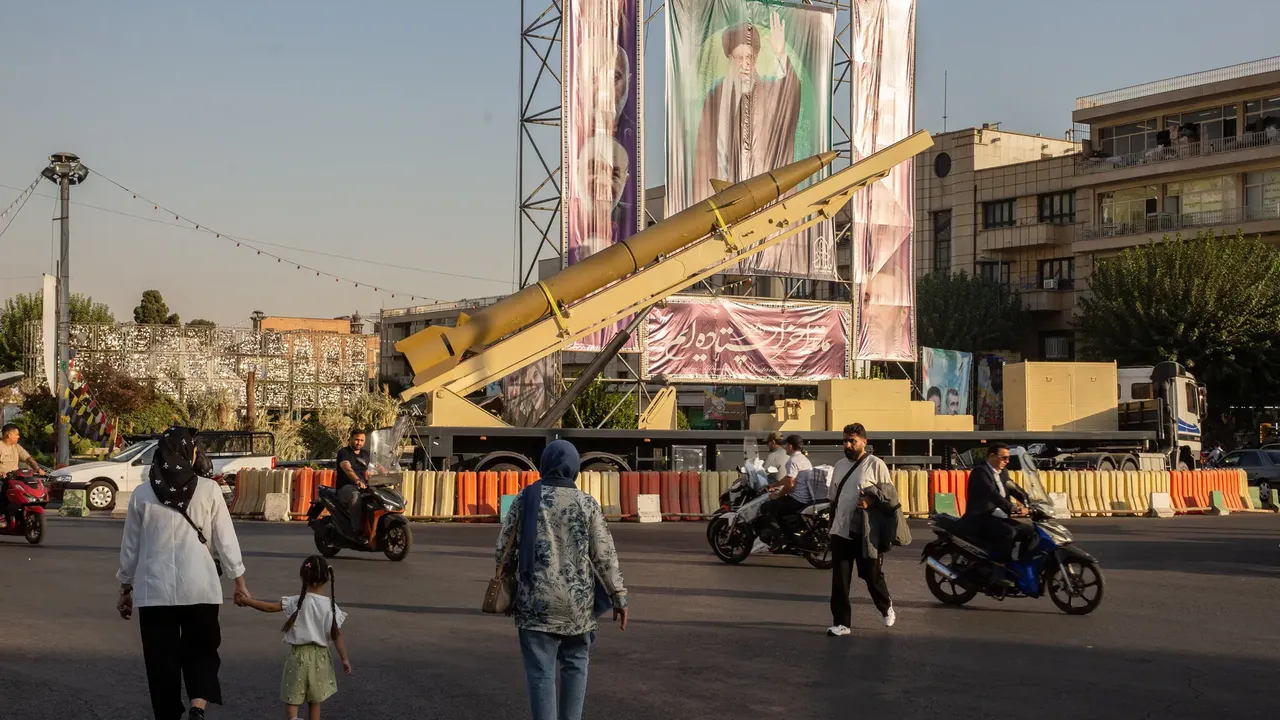

As nuclear talks restart in Pakistan this weekend, President Trump will confront the complicated legacy of his own decision, eight years ago, to cancel what he has called “a horrible, one-sided deal.”
That Obama-era agreement suffered from flaws and omissions. It would have expired after 15 years, leaving Iran free after 2030 to make as much nuclear fuel as it wanted. But once Mr. Trump withdrew from the deal in 2018, the Iranians went on an enrichment spree much sooner, leaving them closer to a bomb than ever before.
Now, Mr. Trump’s negotiators are dealing with the consequences of that decision, which he made over the objections of many of his national security advisers at the time.
Much recent attention has focused on Iran’s half ton of uranium that has been enriched to a level just shy of what is typically used in atom bombs. The majority of it is thought to be buried in a tunnel complex that Mr. Trump bombed last June. But those 970 pounds of potential bomb fuel represent only a small fraction of the problem.
Today, international inspectors say, Iran has a total of 11 tons of uranium, at various enrichment levels. With further purification, that is enough to build up to 100 nuclear weapons — more than the estimated size of Israel’s arsenal.
Virtually all of that cache accumulated in the years after Mr. Trump abandoned the Obama-era deal. That is because Tehran lived up to its pledge to ship to Russia 12.5 tons of its overall stockpile, about 97 percent. Iran’s weapon designers were left with too little nuclear fuel to build a single bomb.
Now, matching or exceeding that diplomatic accomplishment is one of the most complex challenges facing Mr. Trump and his two lead negotiators, his son-in-law Jared Kushner and his special envoy, Steve Witkoff, who are expected to leave for Pakistan on Saturday.
Mr. Trump is acutely aware that whatever he can negotiate with the Iranians will be compared with what Mr. Obama achieved more a decade ago. While the two countries are still exchanging proposals, and could well come up empty-handed, Mr. Trump is already judging his own, yet-to-be-negotiated agreement as superior.
“The DEAL that we are making with Iran will be FAR BETTER,” Mr. Trump wrote on his social media site on Monday. The Obama-era deal “was a guaranteed Road to a Nuclear Weapon, which will not, and cannot, happen with the deal we’re working on.”
Based on Mr. Trump’s often-shifting objectives for the conflict with Iran, Mr. Kushner and Mr. Witkoff face a daunting list of negotiation topics, many of which the Obama team failed to address. They have to find a way to limit Iran’s ability to rebuild its arsenal of missiles. (The 2015 deal never addressed Iran’s missile capability, and Tehran ignored a United Nations resolution imposing limits.)
They need to find a way to fulfill Mr. Trump’s mandate to protect anti-regime protesters, whom Mr. Trump promised to help in January when they took to the streets. In fact, those protests were among the triggers for the American military buildup that ultimately led to the Feb. 28 attack.
