

Travel
Why Indians reach for curd after spicy food while Koreans choose completely different side dishes
indiatimes.com
•28 July 2026, 4:01 AM
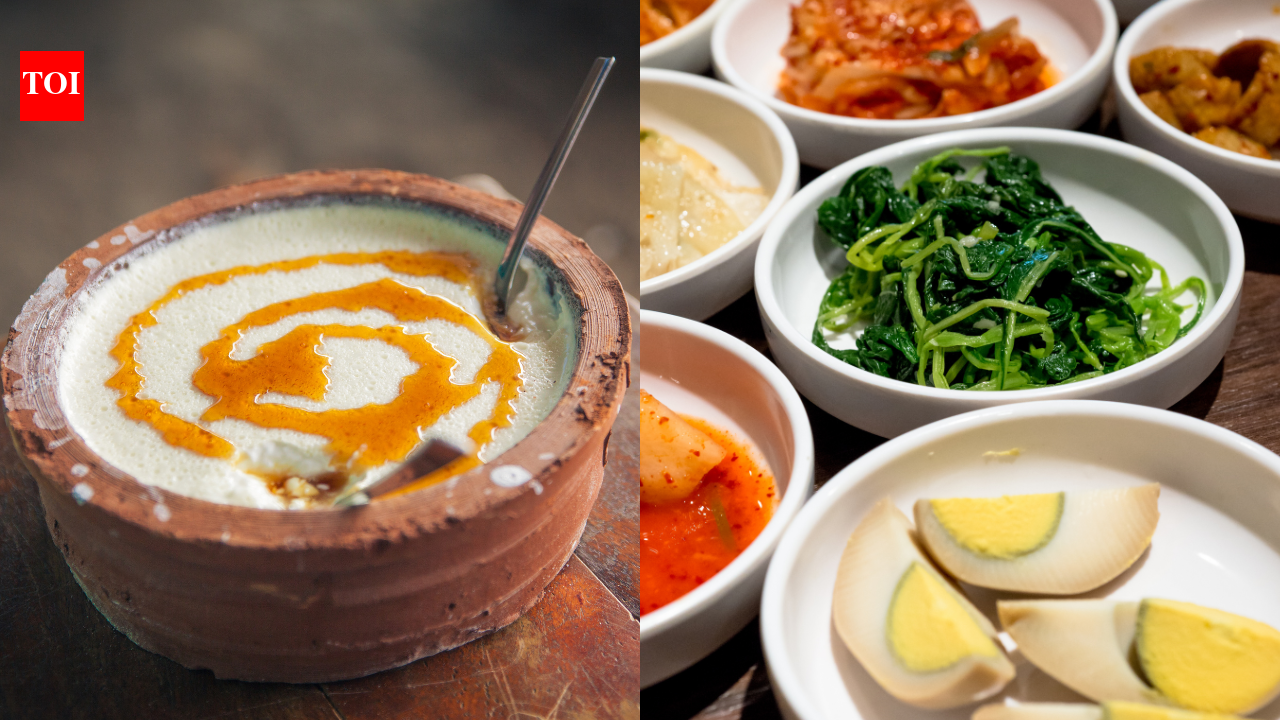

A bowl of cooling curd beside a plate of biryani is almost second nature in many Indian homes. Whether it’s spicy rajma chawal, stuffed parathas or a fiery curry, curd often finds its place on the table as the meal’s quiet balancing act. Travel to South Korea, however, and you’ll notice something entirely different. Instead of dairy, meals are accompanied by an assortment of small side dishes known as banchan, each adding contrast, texture and flavour to the main course.
Both traditions serve a similar purpose, but they arrive there in completely different ways. One leans on the soothing qualities of fermented dairy, while the other celebrates variety through vegetables, fermentation and seasoning. The contrast offers a fascinating glimpse into how food traditions evolve around climate, agriculture and culture.Curd has been part of Indian cuisine for thousands of years. Beyond its creamy texture and tangy taste, it has long been valued for its ability to soften the intensity of heavily spiced dishes.
Rich gravies, chilli-laden curries and deep-fried foods are often paired with curd because its cool temperature and mild flavour create a welcome contrast on the palate.Across India, this tradition appears in different forms. In the north, curd is served alongside parathas, kebabs and biryani. In the south, it becomes curd rice, a simple yet beloved meal that marks the comforting end to lunch. Raita, prepared with vegetables, herbs or fruits, transforms plain curd into a refreshing accompaniment that complements festive and everyday meals alike.Curd also reflects India’s long-standing relationship with dairy.
Cows and buffaloes have historically been central to rural life, making milk products readily available in many regions. Over generations, curd naturally became an everyday staple rather than an occasional addition.South Korean meals approach balance from a completely different perspective. Instead of relying on one cooling side, the table is filled with multiple small dishes collectively called banchan. These may include kimchi, seasoned bean sprouts, spinach, soy-braised potatoes, pickled radish, lotus root or stir-fried anchovies.Each dish contributes something unique.
Some are spicy, others mildly sweet, tangy, savoury or crunchy. Rather than reducing heat with dairy, Korean cuisine balances flavours by offering variety in every bite. Diners constantly mix and match different side dishes with rice and the main course, creating a meal that feels layered instead of overwhelming.Kimchi may be the most famous of these accompaniments, but it represents only one piece of a much broader culinary tradition. A Korean meal often includes several banchan, changing with the seasons and household preferences.The difference between these dining customs isn’t accidental.
India’s warm climate and strong dairy culture made curd an accessible, everyday food that fit naturally into daily meals. Fermenting milk was also an effective way to preserve it before refrigeration.Korea, meanwhile, developed a cuisine deeply influenced by long winters and the need to preserve vegetables. Fermentation became essential for survival, giving rise to kimchi and numerous preserved side dishes. Instead of depending on dairy, Korean households perfected the art of preparing vegetables that could last through changing seasons while adding excitement to every meal.
These historical circumstances gradually shaped eating habits that continue today.Although they look completely different on the table, curd and banchan are both about creating balance. One cools and softens bold flavours with creamy simplicity, while the other introduces contrast through an ever-changing collection of textures and tastes. Neither approach is better than the other. They simply reflect the ingredients each culture had, the climates people adapted to and the food philosophies that developed over centuries.
The next time you enjoy spicy butter chicken with a spoonful of curd or watch a Korean meal arrive surrounded by colourful little dishes, remember that both traditions are solving the same culinary puzzle. They show how two cultures, separated by geography and history, found their own delicious ways to make every bite feel complete.
