

Travel
What if US-Iran war is only surface? What’s really happening could shake world economy
india.com
•20 May 2026, 10:01 PM
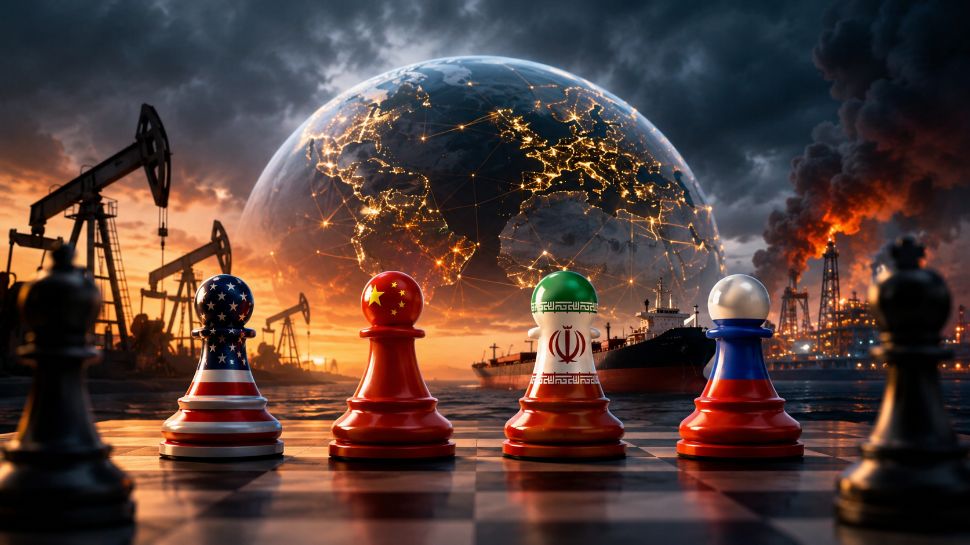)

US-Iran War: For decades, most international tensions in West Asia were viewed through one lens – oil and war. But behind the headlines about missiles, nuclear sites and military alliances, another battle has been building in the world financial system. It is a fight over who controls oil payments, which currency dominates energy trade and how much power the United States can continue to exercise through the dollar.The debate has picked up again as countries such as China, Russia and Iran push for alternatives to the dollar in international trade. One of the biggest factors behind this debate is the “petrodollar” system that emerged in the 1970s after the Arab oil crisis.How dollar became backbone of world oil tradeThe roots go back to 1973, when Arab oil producers cut supplies during the Arab-Israel war.
Oil prices shot up and the United States faced an economic shock. In the years that followed, Washington and Saudi Arabia built a close economic and security partnership. Oil exports from Riyadh were largely traded in US dollars, while Saudi wealth flowed back into American assets and Treasury bonds.ALSO READ: US ready to accept Iran’s biggest demand – why this could be huge for India tooThat arrangement helped strengthen the dollar’s place in the world economy. Countries importing oil needed dollar reserves to pay for energy, which increased worldwide demand for the US currency.
Economists say this system helped America finance deficits and also gave Washington enormous leverage through sanctions and the international banking network.There was no single formal “50-year petrodollar treaty” forcing Saudi Arabia to sell oil only in dollars, despite viral claims online in 2024. Multiple fact-checks and policy experts later clarified that the original 1974 agreements centred on economic cooperation and security ties, not an exclusive oil-currency contract.Still, the broader system built around dollar-based oil trade became one of the pillars of American financial influence.Why Iraq, Russia and Iran often enter this debateThe debate around “de-dollarisation” points to countries that tried reducing their dependence on the dollar.In 2000, Iraq under Saddam Hussein moved some oil sales to euros under the UN oil-for-food programme. After the 2003 US invasion, Iraqi oil sales eventually returned to dollar-based systems. Analysts and political commentators have long linked these events in public debate.ALSO READ: Iranians know Nuclear is our Red Line: Vance says US negotiating in good faith but wont budgeThe push away from the dollar became more visible after Western sanctions on Moscow following the Ukraine war.
Moscow increased trade settlements in Chinese yuan and local currencies after many Russian banks were cut off from parts of the Western financial system. India also expanded the use of dirhams and rupees in some energy transactions with Russia.At the same time, China has been building financial systems outside Western control. Beijing’s Cross-Border Interbank Payment System (CIPS) has emerged as an alternative channel for yuan settlements, though it is still much smaller than the SWIFT network dominated by Western banks.Saudi Arabia and the growing currency shiftThe biggest reason the debate exploded online in 2024 was the claim that Saudi Arabia had allowed a “50-year petrodollar agreement” to expire.
Experts later said the viral story overstated what had actually happened. Saudi Arabia did not announce an end to dollar oil sales, and the dollar continues to dominate world energy trade.Even so, the Gulf kingdom has slowly widened its options. Saudi Arabia has deepened trade with China, joined BRICS and shown openness to accepting multiple currencies in some deals. That has fuelled speculation about a more fragmented future for world energy payments.ALSO READ: Locked and loaded: Trump says he was an hour away from launching new Iran strikes before last-minute hold offFinancial researchers say the real story is not the sudden collapse of the dollar, but the gradual rise of parallel systems.
Countries facing sanctions or geopolitical pressure are trying to reduce dependence on US-controlled financial channels.Iran, sanctions and the next phase of the battleIran has become another major focus in this currency debate because of long-running US sanctions. Tehran has expanded non-dollar trade with China and regional partners to keep oil exports moving despite restrictions.Some commentators argue that future conflicts in West Asia may increasingly involve financial systems rather than only military targets. Oil shipping lanes, payment networks and sanctions enforcement have all become part of strategic competition between Washington, Beijing and their allies.At the moment, the dollar still dominates world reserves and energy trade by a huge margin. Analysts say no other currency presently matches the scale, liquidity and trust built into the American financial system over decades.But the direction of travel is becoming difficult to ignore.
Russia and China are expanding local-currency trade. Gulf countries are diversifying partnerships. Digital payment systems backed by central banks are also growing.The bigger question now is not whether the dollar disappears tomorrow. It is whether the world is slowly moving toward a system where oil can be traded in several currencies instead of one.
