

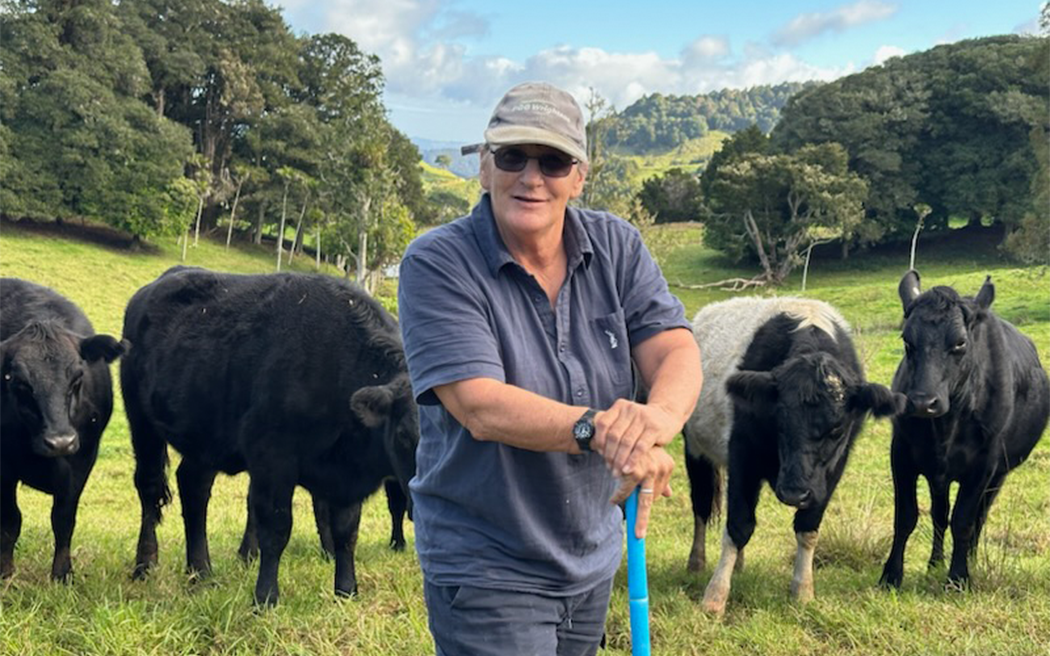

Reading Time: 3 minutes Sheep and beef farmer Paula Flood was hit by “a silent thief” after an accident in the stockyards. That’s what she calls the concussion she was left with following a head injury that resulted in her having to change the way she farmed. Nine years ago Flood suffered two head blows while pregnancy-testing cows. She wishes she’d known earlier the services available for concussion recovery.
If she had, the outcome could have been a very different, said Flood, who farms 364 hectares in the Bay of Islands. “The cows were having trouble getting in the crush, and I went to open the big wooden cattleyard gate, and one just kicked it back on me,” said the Ōkaihau farmer, who prior to the injury had 575 calves reared on 120 cows, and 500 breeding ewes. “The gate whacked me on the head, and then I got another whack on the back of the head as I fell back and hit the ground.” Flood was dazed and dizzy but didn’t black out, and carried on with her farm work. A couple of days later she recognised she wasn’t feeling right and was persuaded to get assessed by a doctor. “Prior to my head injury, if you’d asked me my doctor’s name, I’d have had to really think about it, because I so rarely went. Us farmers are pretty tough – if we get ill it’s usually just a case of suck it up and carry on, but I’ve learnt that’s not good practice with concussion. “The emergency doctor just did some very basic tests and told me I was fine, though.” Flood tried to continue as normal, but she was struggling with intense fatigue, headaches, mood swings, and an inability to think clearly or problem solve. A neighbour visiting a couple of months later recognised Flood wasn’t herself, and suggested returning to the doctors to see her own GP. “That doctor connected me straight away with the concussion service, so from that point on, I started getting help.
Because of the delay though I was told it would likely take years to recover.” Flood worked with an occupational therapist who’d visit the farm weekly to help with strategies to cope. She’d also teach the busy farmer, then 51 years old, skills to enable her brain to recover. “Even just being told the symptoms were normal was a relief,” said Flood. “The support I was given taught me how important it was to listen to my body, and that the tiredness was my brain telling me I needed to switch off and try and rest. That’s not easy of course as a farmer, and the problem with me was that damage had already been done because I’d not been listening to it for months.” To reduce stress – which had made the concussion worse – Flood scaled down stock, changing from a very intensive breeding programme to more fattening, with 150 calves on 20 cows and milk powder, 100 ewes, and dairy grazers. She also installed a new set of stockyards with more safety features. “My brain is way better now, but I’ve still got the remnants of it.
My advice if you get a head knock is to get help quickly and if concussion’s not detected but you know something’s wrong, keep going back until they listen, because you know your own head. “Also, be prepared to listen to other people telling you that you’re not quite right. It makes it harder for people to understand, though, because there are no visible signs, like if you break your leg you get a plaster cast. “If rugby players get a head injury they’re straight under the doctor and kept an eye on – that cautious approach should follow out onto the paddock because us farmers are just as important.”
